
Mortar-free roof details
Dry Ridge & Hip
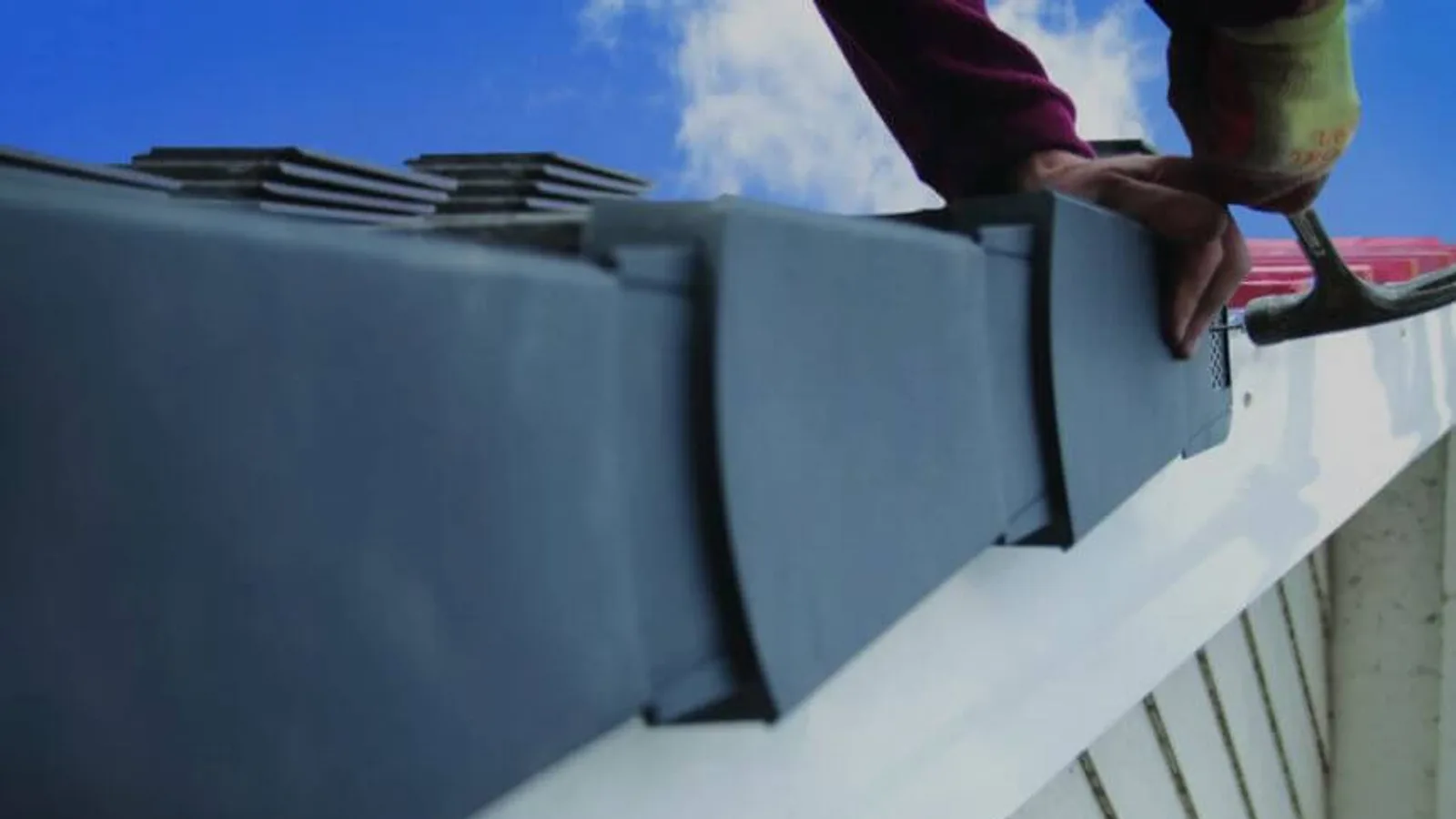
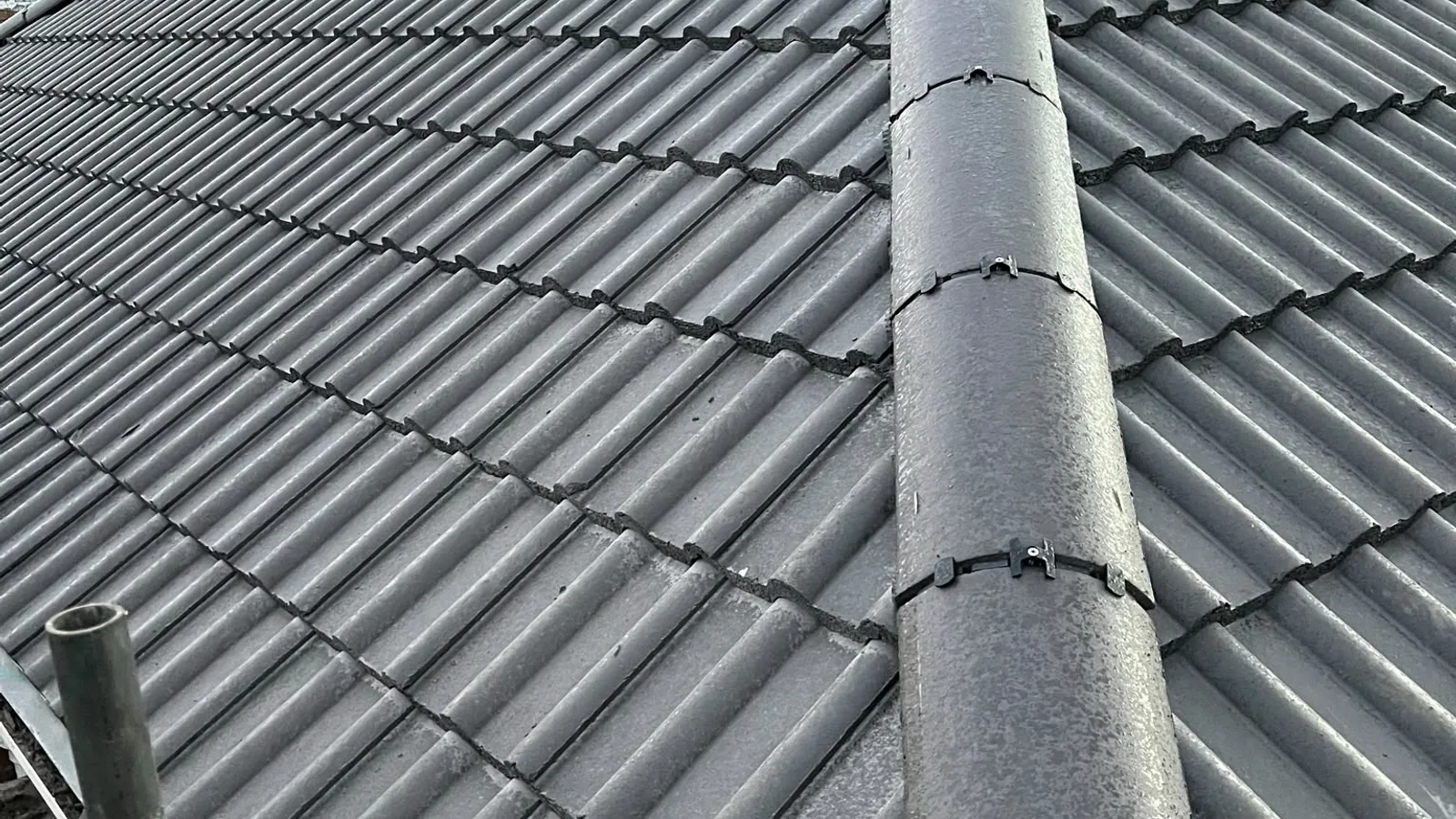
Improve roof-top security with individually secured ridge and hip details.
Get your free, no-obligation quote
Tell us what you need. We usually reply the same day.
Fully insured work
Free, no-obligation quotes
Roofing & cladding specialists
Lancashire & Cumbria based
Mortar-free roof details
Secure the tiles at your roof's highest points
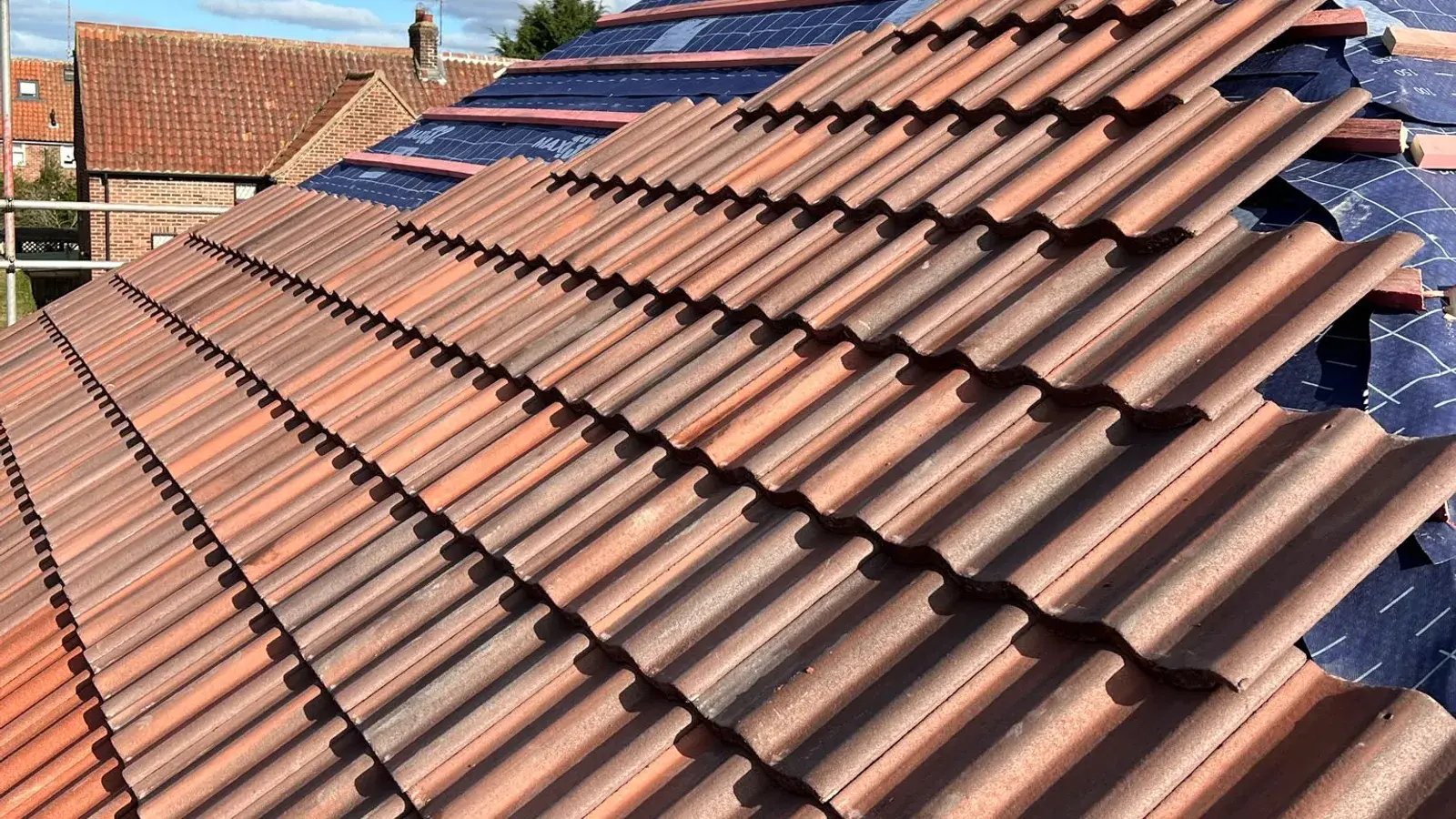
The top horizontal junction and sloping external corners need weather protection. If mortar around their capping tiles breaks down, gaps and movement can follow. Dry-fix fittings provide another means of attachment, restraining the individual tiles while forming a suitable weathering detail. We assess suitability first.
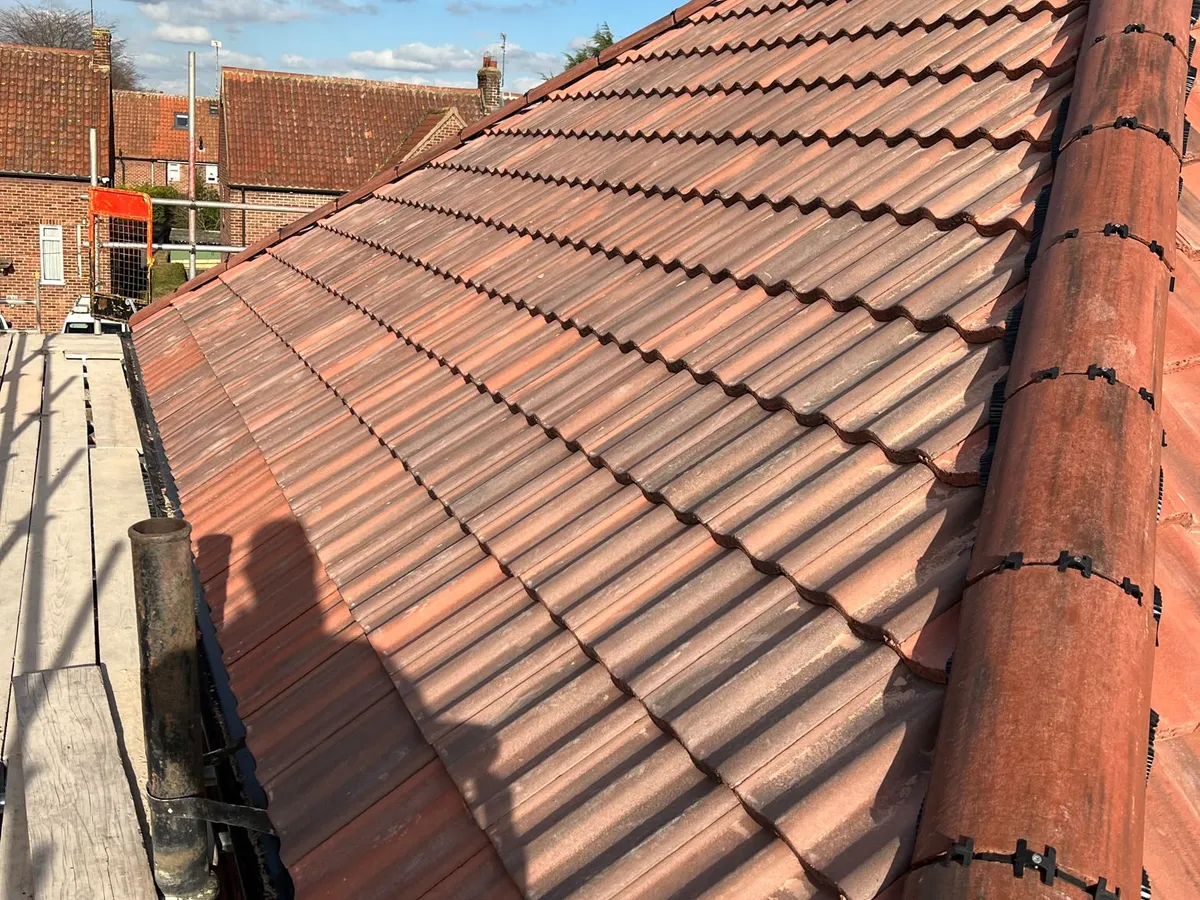
We remove worn bedding and prepare the supports before installing the ridge or hip components. Rolls, unions and fastenings form the detail, with airflow where a ventilated system is specified. Suitable existing tiles can be retained. We check that the finished arrangement works with the surrounding covering and the roof's ventilation requirements.
What's included
What the job covers
Everything that goes into doing the job properly, so nothing gets left half-finished.
Ridge roll installed with purpose-made tile fastenings
Compatible hip fittings for sloping roof junctions
Deteriorated bedding cleared from existing junctions
High-level airflow where the design requires it
Suitable existing tiles retained or matching replacements sourced
How it works
From first call to final photos
1
Get in touch
Call us or send the form and tell us what is going on with your roof.
2
Free survey & quote
We inspect the roof properly and give you a clear written price with no pressure.
3
The work
We turn up when we say we will, work tidily and keep you updated as the job progresses.
4
Sign off
We show you photographs of the finished work, clear the site and leave a roof that lasts.
Why choose us
Feel confident about your roof, from the first conversation onwards
Know what your property needs and how the work will be delivered. Crest brings clear guidance and careful installation to homes throughout Lancashire and Cumbria.
Costs agreed in advance
Review a detailed quotation before giving us the go-ahead. The agreed scope has a fixed cost; any extra work requires your approval, so you stay in control of the budget.
Speak with your roofers
Discuss your plans directly with the team delivering the service. Our working area spans both counties, giving you a straightforward point of contact throughout your project.
Respect for your home
Appropriate insurance, planned access and daily clearing help us care for your property while completing the work safely and considerately.
Protection explained clearly
Your proposal details our installation cover and relevant product warranties. Check the terms before booking, with the team available to explain any conditions.
Recommendations that make sense
Where a focused repair offers worthwhile protection, we explain that option. Our advice reflects the condition of your property, helping you make an informed roofing decision.
Planning a roofing project?
Talk to Crest Roofing & Cladding about your roof and request a free, no-obligation quote.
Related work
You might also need
New Roofs
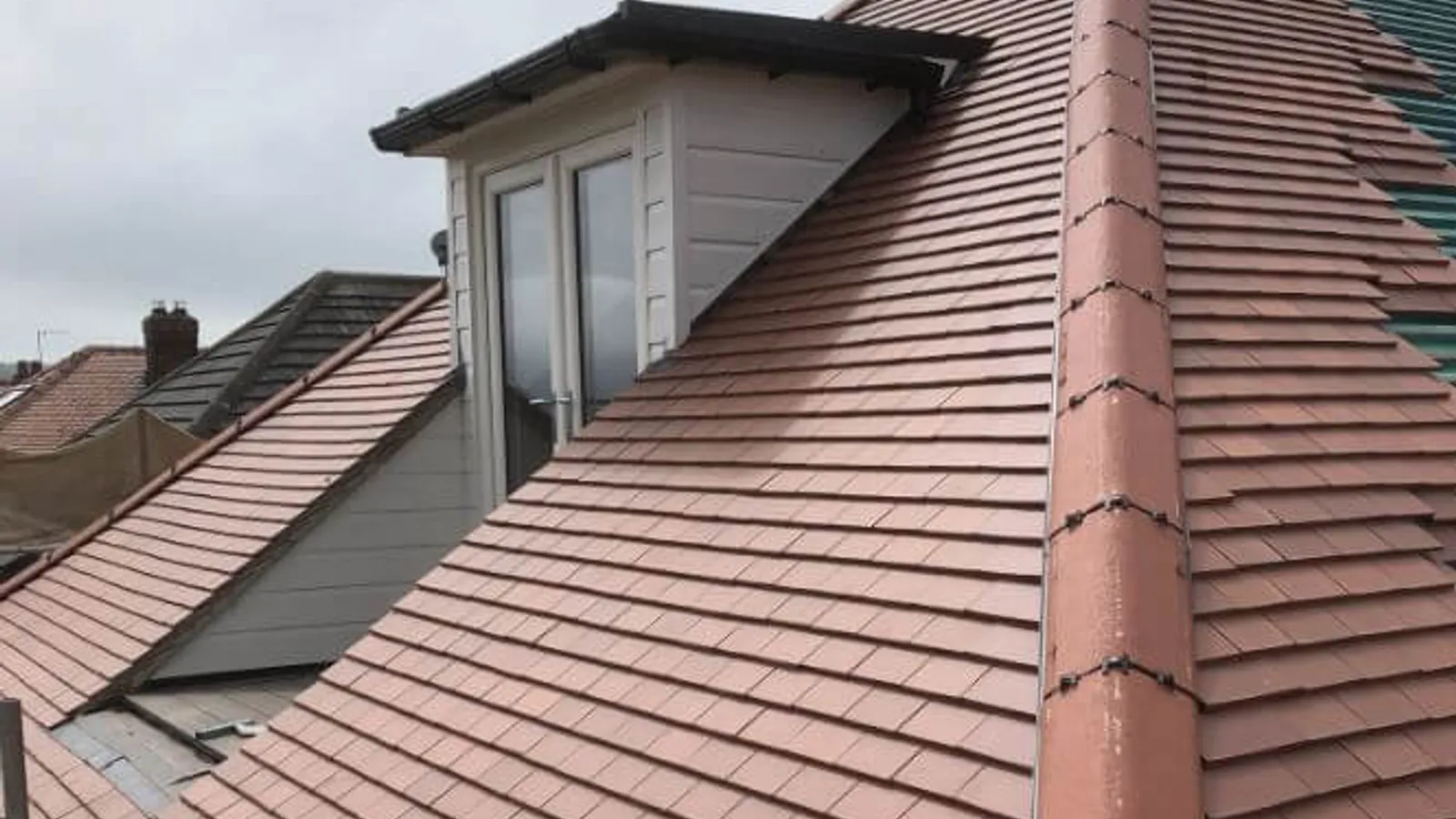
Renew pitched coverings with properly planned supporting layers and weathering details.
Ready to get started?
Free written quotes across Lancashire and Cumbria, with honest advice and no pressure.
Common questions
Dry Ridge & Hip FAQs
Will extra airflow help a damp loft?
A ventilated ridge can help release moisture as part of a suitable overall design. Lower-level air paths matter too; improving one junction alone may not solve the condensation problem.
Are replacement capping tiles always necessary?
No. We can retain pieces whose condition and shape suit the system. Damaged tiles need replacing, with suitable alternatives chosen to keep the finished appearance consistent.
Can this be a separate project?
Yes, if the roof and supports are suitable. We clear the existing bedding, prepare the junction and install the specified fittings, securing reusable capping tiles within the new arrangement where their condition allows.
What keeps each tile secure?
Purpose-made connections and mechanical fastenings restrain the tiles individually. Sound preparation is essential: adding new components to weakened supports would not produce a dependable installation.
Where can I review the cover?
Your proposal explains the workmanship protection and selected product warranty. Check the duration, conditions and upkeep requirements before agreeing to the installation.
Can't find the answer you're looking for?
Get in touch and we will talk it through, with no obligation.
Rated 5.0 by our customers